
how to decide what to write
One thing about me, I love a framework

ICYMI: I recently hosted an AMA (Ask Me Anything) in our subscriber chat (if you’re wondering how to access this and other chat content from me and/or other creators you engage with on Substack, you’ll need to download the Substack App. I know downloading an app is a pain in the ass, but I’m hoping to continue to use the subscriber chat for exclusive opportunities, so I hope you’ll consider joining us there)—and while you can read the majority of my responses in the 9/30 newsletter, I held back on answering one question.
I saved “How do you go about picking what idea you want to write next?” because I built out a formal framework for idea interrogation a while ago and I’ve been meaning to share it here.
*This model originally appeared in the The Shit No One Tells You About Writing newsletter. You’ll probably notice that the tone of the writing is a little more formal/educational than I usually use here. I hope you won’t mind.
Writers are often asked how we come up with ideas. While that’s a valid question, more often than not, finding an idea isn’t the issue. It’s deciding which ideas we should write.
When I first started out, I thought having unique and compelling ideas was my superpower as a writer. Six books later, I can tell you that—unequivocally—ideas are cheap. It all comes down to execution.
Below, I’m going to share how I determine which book ideas to pursue and which ones to keep on the back burner for now. Many of us tend to have a list of random inspiration—things we could write, one day—but it can be difficult to know which ideas are big and interesting enough to invest in as well as being commercially marketable (if you’re hoping for the writing to sell). There are very few things about the creative process that are efficient. But I think it’s worth adopting a formal process for considering your ideas. Picking the right concept—the first time—will make your writing process less painful (idk about you, but that’s always my goal).
For me, working on a novel can take a year or more. When I’m focused on a project for that long, I need to make sure that it’s not only going to hold my interest, but also that it’s going to grab audience attention out of the gate in an increasingly crowded landscape 🫠
Before we dive in, where did this framework come from?
I arrived at this evaluation method organically. Every time I sat down to put together my next book proposal, I found myself staring down at my Notes app, trying to figure out which snippets and/or random ramblings had legs. Outside of a gut feeling, it was hard to parse them apart—and unfortunately, sometimes my gut led me to chase ideas that didn’t work out in practice.
It wasn’t until I began looking at my book ideas retroactively, ie post-publication, that I recognized the pattern: pitches that grew into successful books consistently nurtured the same three responses in me as a writer all the way back at the idea stage.
Once I recognized the consistent response, I could understand why this three-step criteria led to productive and interesting work. I’ve used it as a formal method for weeding through idea seedlings ever since.
Criteria #1: It’s a bad idea, right?
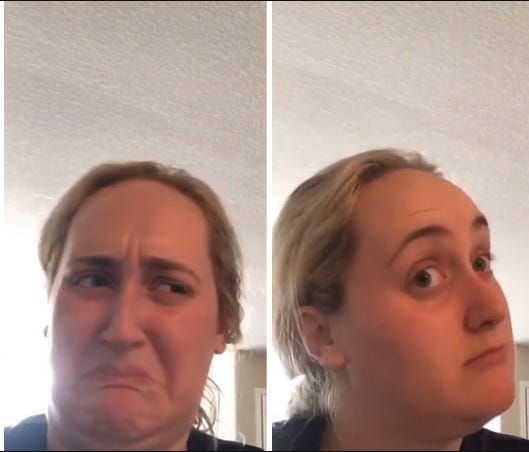
The first characteristic that I look for might seem strange: there has to be something inherent in the idea that doesn’t work—a thorny problem staring me right in the face.
Glaring plot holes are a bad thing in a finished novel but at this stage, they’re building blocks for the story. My first book, for example, is about a socialite who accidentally moves in with a porn star. Immediately after reading that you’re likely asking yourself, “…how?” I was in the same boat initially. I had a funny idea for an awkward meet cute and very little logistics. But that question—”how”—and all the subsequent ones that fall out of it (like “why”), helped me flesh out an idea that put a fresh spin on the opposites attract and roommates to lovers tropes.
So the next time you go to weigh and measure your book ideas, rather than run away plot problems, run toward them. Because that path will lead you to develop a unique story. Concepts with questions also usually make for stronger “hooks” that will guide your query letter or back cover copy.
Capitalize on that opportunity for intrigue. I also, personally, find that one of the things I enjoy most about writing is problem-solving, so by baking problems into the premise I am able to give myself momentum to create.
Criteria #2: There are already cookies in the oven
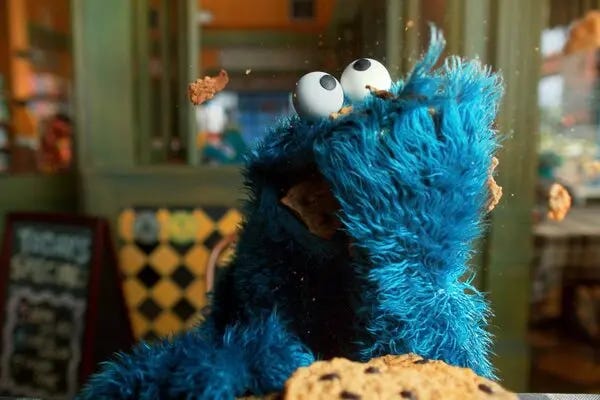
Cookies are arguably the best part of starting a new book: they’re the scenes that immediately come to mind that you know you want (i.e. not have to) write when you think about bringing a concept to life. The more vivid and plentiful your ratio of cookies per idea, the more likely it is that you’ve found a joyful and rewarding territory for exploration.
For example, when I decided to set my third book in a cursed Scottish castle, cookies immediately sprung to mind in the form of opportunities presented by the magical elements. Suddenly, I had the chance to write a “knife to the throat” scene brimming with sexual tension in a contemporary setting. And the potential to use “cursed” manacles to lock my feuding love interests together? I could hardly wait to start drafting that one.
Ideally, you can envision cookies across the beginning, middle, and end of a story. Because those “reward” scenes will keep you motivated through the slog of less fun parts of the writing process.
Criteria #3: making myself laugh
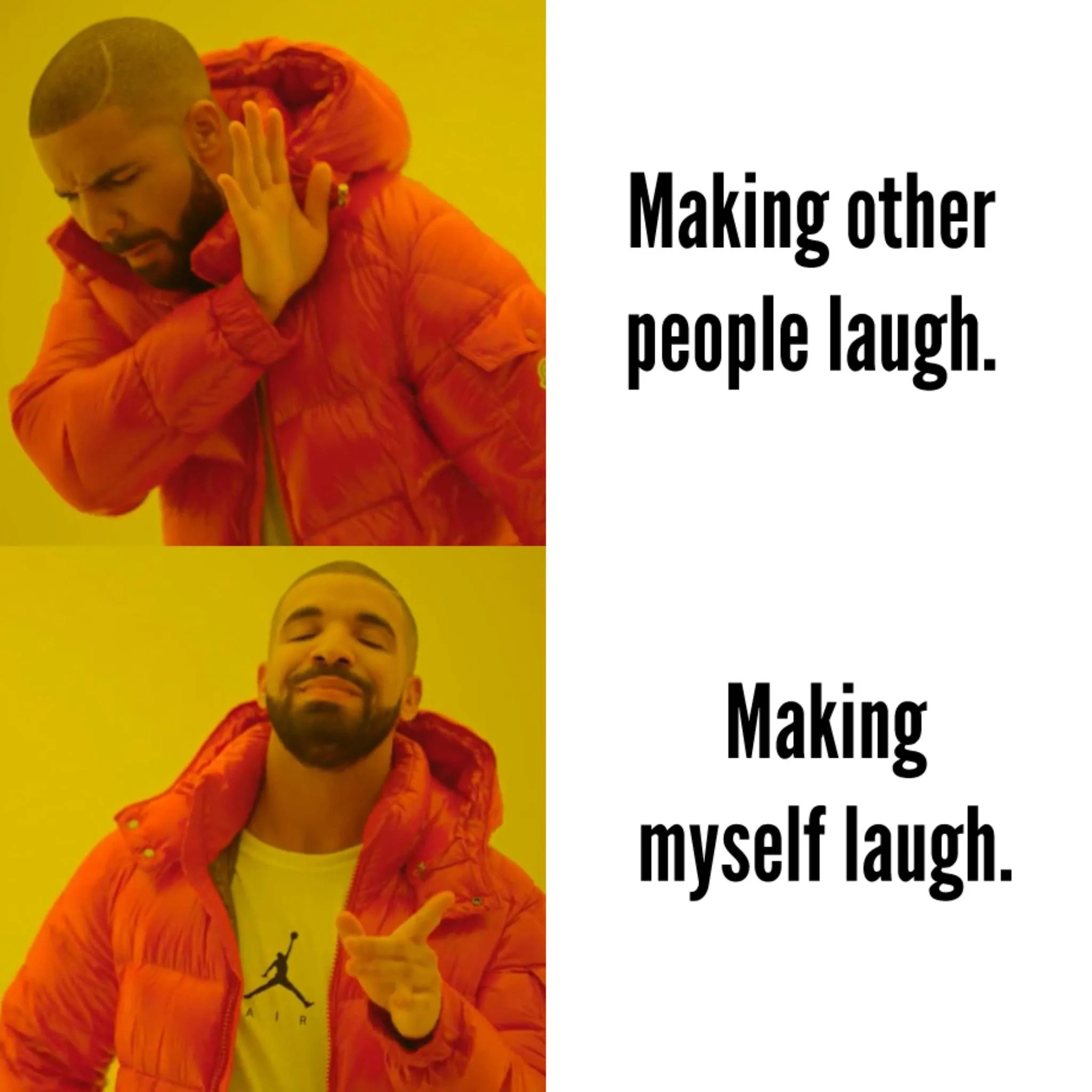
So the third piece of criteria here is what I have found to be the most variable by writer. I firmly believe every premise you chase should present problems to solve and cookies to propel you through the drafting process. But the third thing is your motivational ‘X Factor.’
For me, the premise has to be at least a little bit funny. Not necessarily laugh out loud, but intriguing and slightly campy—like the lead into a joke.
You can see this come to life in the elevator pitch for Fan Service.
“When an aging actor who used to play a werewolf on a cult supernatural tv show starts turning into one IRL, the only person who believes him is the former fangirl who was once Internet famous for cataloging the show’s lore.”
[Obligatory plug that this ebook is on sale right now for $2.99 in the US and .99P in the UK]
This approach—following concepts that make me laugh—works in large part because I write romantic comedies. Pitches that inspire situational humor or hijinks are beneficial for producing plot. But at the same time, getting to write little jokes to myself (and yes, hopefully other people find them funny down the road) is singularly motivating to me as an author. Inside jokes make me want to sit down and write.
You will probably have something else that you love about writing in your genre. Maybe it’s fight scenes if you write fantasy or crafting the perfect red herring for mysteries.
One way to diagnose your X factor is to look back at ideas you’ve pursued or—if you haven’t pursued that many ideas yet—looking at some of the common factors in a list of your ten favorite books.
What makes you eager to move through the pages?
What do you admire most about the craft?
What stays with you long after the story ends?
Answering these questions should point you in the direction of the final piece of a “must have” response that makes one of your potential book ideas rise above the rest.
In closing
I hope that this idea evaluation framework can be inspiring for you. Please steal it if you’d like! I would love to hear about any adaptations you make or any success or challenges you find putting it into practice.
////
Okay, hi. Its me again, outside of the guest blog. Do you guys like this kind of content? Do you want to see more writing tips and tricks? Or are you like “please never use a framework in front of me again”—I would genuinely appreciate any feedback you have either in the comments here or via DM if you prefer.
Yes, this was very helpful! It's really interesting to see how other writers' brains work.
Thank you for answering my question! It was so interesting to see your process! I was trying to decide between two ideas when I wrote so I think I’ll use your framework to help narrow it down!